Short answer
Glaucoma is a progressive disease in which raised eye pressure damages the optic nerve. It gives no clear symptoms in its early stages, so it is hard to notice and is called the silent thief of sight. Because risk may be higher after age 40, with a family history, or with diabetes, examination is important for early diagnosis.
Glaucoma is a serious and progressive eye disease that can damage the optic nerve as a result of elevated intraocular pressure and lead to vision loss. This disease is known as one of the most common causes of blindness, affecting millions of people worldwide. Glaucoma usually progresses insidiously and does not show obvious symptoms in the early stages, so it can be difficult for patients to notice. For this reason, glaucoma is described as the "silent thief of sight." The risk of glaucoma may be higher especially in people aged 40 and over, those with a family history of glaucoma, and people with diseases such as diabetes.
Causes and Risk Factors of Glaucoma
An imbalance in the circulation of the fluid inside the eye (aqueous humor) plays an important role in the development of glaucoma. Normally, this fluid is produced inside the eye at a certain rate and drained out of the eye through a drainage system. However, in glaucoma patients, this drainage system becomes blocked or fluid production increases, and as a result intraocular pressure rises. This increased pressure compresses the optic nerve, causing damage to the nerve fibers, and vision loss develops over time.
Known risk factors for glaucoma are as follows:
- Advanced age: People over 40 in particular are at higher risk for glaucoma.
- Family history of glaucoma: Genetic predisposition is an important factor that increases the risk of glaucoma. People with a family history of glaucoma should be careful about their risk of developing the disease.
- Eye injuries: Previous eye trauma or injuries can increase the risk of glaucoma.
- Diabetes and high blood pressure: Glaucoma is more likely in people with chronic diseases such as diabetes and hypertension.
- Long-term steroid use: Long-term use of steroid-containing medications can raise intraocular pressure and lead to glaucoma.
Different Types and Symptoms of Glaucoma
Glaucoma is a disease with many subtypes. The most common types include Primary Open-Angle Glaucoma, Angle-Closure Glaucoma and Congenital Glaucoma.
-
Primary Open-Angle Glaucoma: This is the most common type of glaucoma. It occurs when the intraocular fluid gradually becomes blocked in the drainage channels of the eye. This type of glaucoma usually progresses slowly, and the patient may not notice any symptoms until serious vision loss has occurred.
-
Angle-Closure Glaucoma: This type of glaucoma causes a sudden increase in intraocular pressure and requires urgent treatment. Angle-closure glaucoma can present with obvious symptoms such as severe headache, eye pain, nausea, blurred vision and redness of the eye.
-
Congenital Glaucoma: Also known as glaucoma present from birth, this type is seen in babies and young children. It can appear with symptoms such as excessive tearing, sensitivity to light and enlargement of the eyes. Early diagnosis and treatment are vital for the normal visual development of children.
Progression of Glaucoma and Vision Loss
Glaucoma usually begins with loss of peripheral vision. Patients may have difficulty noticing surrounding objects or events, but their central vision is usually preserved in the early stages. As the disease progresses, central vision can also be affected, leading to a visual impairment called tunnel vision. If left untreated at this stage, glaucoma can result in permanent blindness. Because vision loss in advanced glaucoma is irreversible, early diagnosis and treatment are of great importance.
How Is Glaucoma Diagnosed?
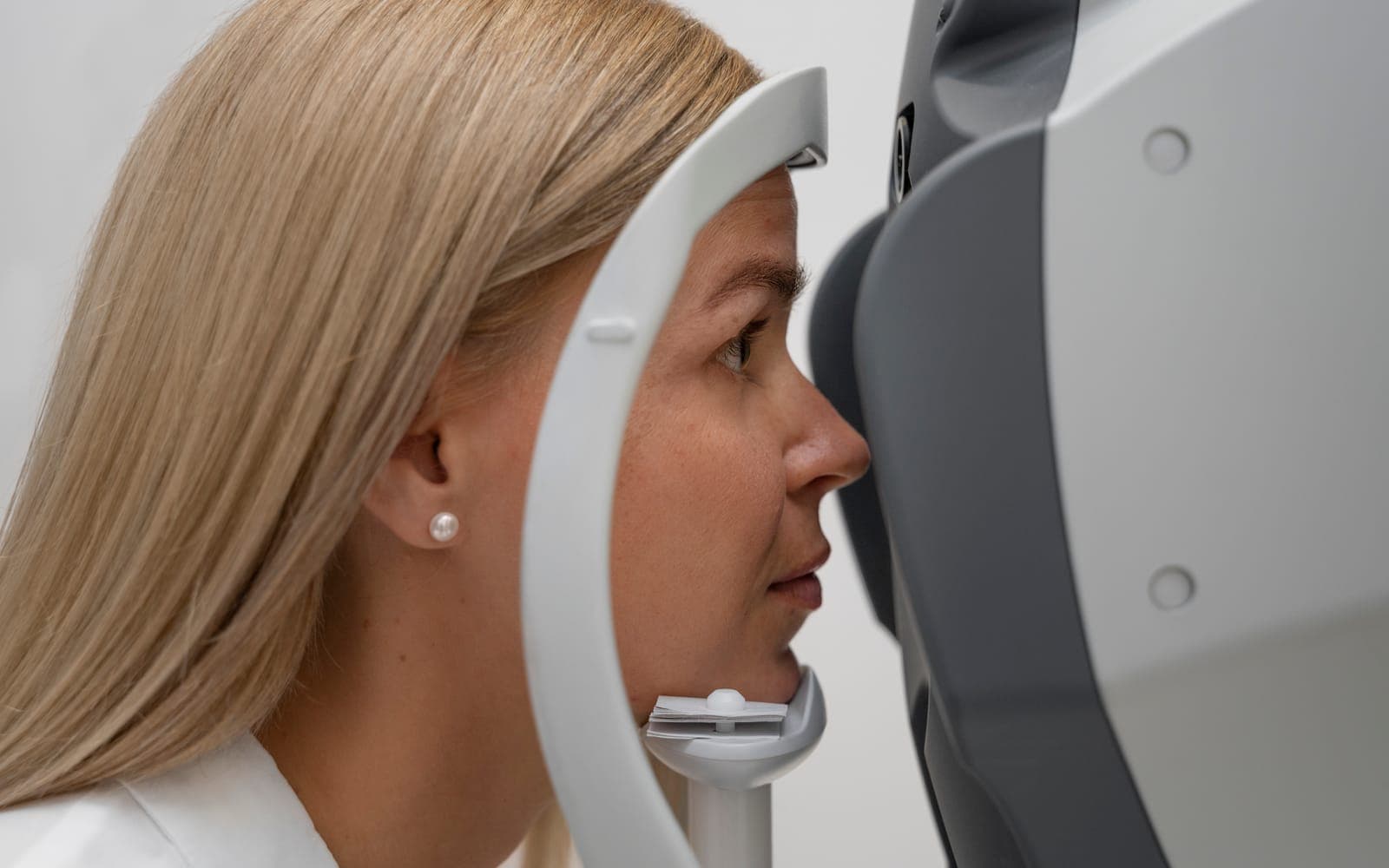
Various tests and methods are used to diagnose glaucoma. These tests range from measuring intraocular pressure to evaluating structural changes in the optic nerve.
-
Tonometry: A test that measures intraocular pressure. If intraocular pressure is higher than normal, the risk of glaucoma may be increased.
-
Ophthalmoscopy: With this method, the doctor examines the optic nerve to check for damage.
-
Visual Field Test: Because glaucoma causes loss of peripheral vision, this test detects narrowing in the peripheral visual field.
-
OCT (Optical Coherence Tomography): An advanced imaging method used to detect fine structural changes in the optic nerve. It can show nerve fiber damage, especially in the early stages of glaucoma.
Glaucoma Treatment Options
The goal of glaucoma treatment is to stop or slow optic nerve damage by bringing intraocular pressure under control. Treatment methods may vary depending on the severity and type of the disease.
-
Medication Treatment: Eye drops are a commonly used treatment method to lower intraocular pressure. These medications may reduce the production of fluid inside the eye or increase the outflow of the fluid.
-
Laser Treatment: In glaucoma treatment, laser technology can be used to open the drainage channels in the eye or to bring fluid production under control.
-
Surgical Intervention: Surgical intervention may be required in advanced-stage glaucoma or when other treatment methods are insufficient. These operations aim to create new drainage channels to lower intraocular pressure.
Regular Eye Examinations Are Vital
Glaucoma is a serious disease that can lead to permanent vision loss if it is not diagnosed and treated early. However, thanks to regular eye checkups and intraocular pressure measurements, glaucoma can be detected early and treatment can be started. In particular, people in the risk group having regular eye examinations can help protect them from this insidious disease.
In conclusion, patient adherence is of great importance in the treatment of glaucoma. The medications and treatment methods recommended by your doctor should be applied regularly, and when symptoms are noticed, a specialist should be consulted without delay. As awareness of glaucoma increases, more people will find it easier to cope with this eye disease.
Scientific references
- Weinreb RN, Aung T, Medeiros FA. The pathophysiology and treatment of glaucoma: a review. JAMA. 2014. PMID: 24825645
- Jayaram H, Kolko M, Friedman DS, et al.. Glaucoma: now and beyond. Lancet. 2023. PMID: 37742700
- Wagner IV, Stewart MW, Dorairaj SK. Updates on the Diagnosis and Management of Glaucoma. Mayo Clin Proc Innov Qual Outcomes. 2022. PMID: 36405987