Articles by Prof. Dr. Cem Yıldırım on eye diseases, diagnostic methods and surgical options.
142 articles
New For Eye Health
A cataract scatters light inside the eye, causing glare, halos and lower contrast at night. If driving is hard, see an eye doctor.
New Surgical
Laser changes corneal shape, so standard lens-power formulas can be inaccurate; these eyes need special formulas and extra measurements.
Cataract surgery is possible for most people; it may be postponed for active infection, ocular surface disease or when little benefit is expected.
Taking blood thinners does not have to rule out cataract surgery; do not stop them on your own, but plan together with your doctors.
Glasses use depends on the lens type and eye structure; with a monofocal lens, glasses are usually needed for at least one distance.
A cataract is a clouding of the eye's natural lens. No eye drop has been shown to restore a clouded lens to clarity; the treatment is surgery.
Cataract and glaucoma often occur in the same person. Learn how treatment is sequenced, and what combined surgery and MIGS involve.
Diabetes can bring cataract on earlier and may call for extra care during surgery. Learn about macular edema and retinopathy.
Secondary cataract is clouding of the membrane behind the lens implant after surgery. Learn its symptoms, laser treatment and possible risks.
Cataract surgery is common and usually safe, but it is not risk-free. Learn about possible complications and the conditions that raise risk.
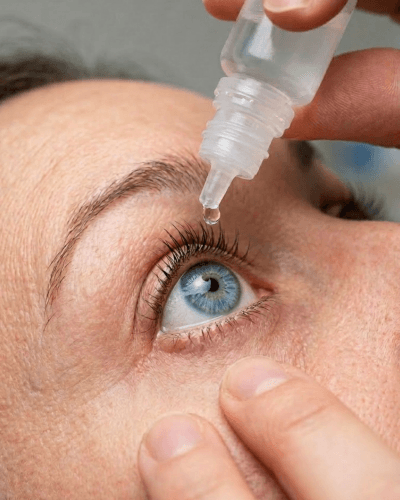
Learn how to use eye drops, protect your eye and manage daily life after cataract surgery, and which symptoms need prompt medical attention.
The right time for cataract surgery depends on how much your vision limits daily life. Learn when waiting is reasonable and when it is not.
What femtosecond laser-assisted cataract surgery (FLACS) is, which steps it covers, how it differs from standard surgery and its limitations.
The steps of cataract surgery: preparation, phacoemulsification, lens implantation, recovery and possible risks, explained in plain language.
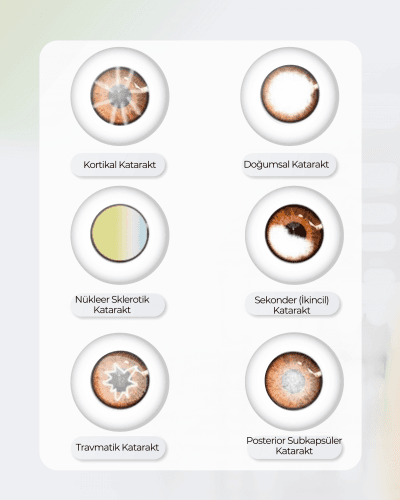
A cataract is clouding of the eye's natural lens. Learn about causes, early symptoms, risk factors and treatment in this plain guide.
What hidden (subclinical) keratoconus is, how it is screened for before laser surgery, and why it matters for the risk of corneal ectasia.
Why contact lenses are stopped before laser surgery, how the time differs by lens type, and what orthokeratology lens wearers should know.
A plain guide to minimum and maximum age for laser eye surgery, prescription stability, presbyopia and how suitability is assessed in older adults.
A guide to the first week after laser eye surgery: eye drops, dry eye, protecting your eyes and symptoms that need prompt medical attention.
After laser surgery the prescription can partly return in some people. This depends on the degree and method; further treatment options exist.
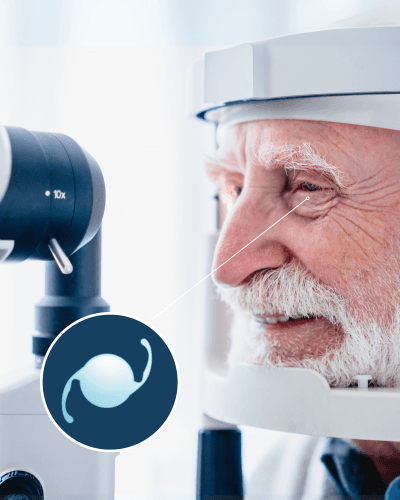
An ICL is an extra lens placed inside the eye while the natural lens stays in place. It is considered in high myopia and thin corneas, among others.
For high myopia, options include glasses, contact lenses, laser procedures and a phakic intraocular lens (ICL). Suitability depends on the cornea.
Hyperopia can be treated with LASIK, PRK and, in some centres, SMILE, though results are more predictable at lower degrees.
Astigmatism can often be corrected with laser procedures such as LASIK, PRK or SMILE, but suitability depends on corneal structure and the degree.
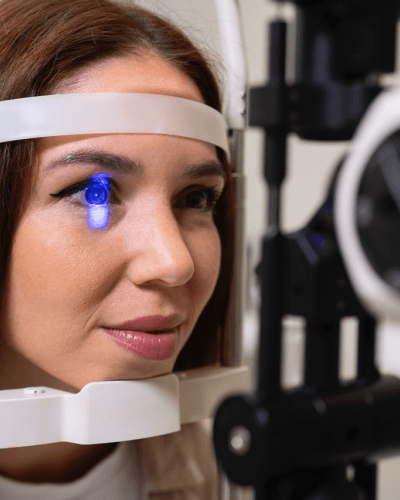
Topography maps the shape of the cornea and pachymetry measures its thickness. These tests help show whether laser surgery can be planned safely.
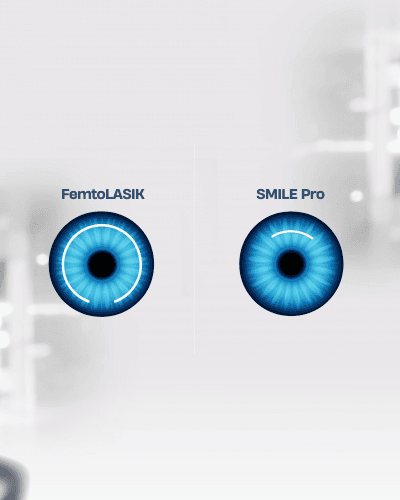
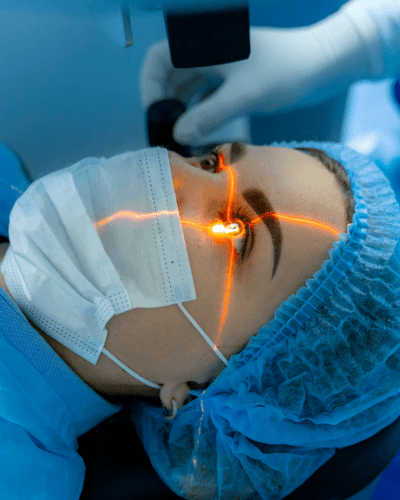
LASIK reshapes the cornea with an excimer laser after a thin flap is made. In FemtoLASIK, the flap is created with a femtosecond laser.
PRK is a laser eye surgery that removes the corneal surface layer and corrects the prescription with an excimer laser, without a flap.
Cataract surgery is possible in keratoconus, but lens power calculation is harder and results are less predictable than in normal eyes.
Premium lenses can sometimes be considered in diabetes, but retinal status, macular edema risk and blood sugar control are decisive.
If you are unhappy with a premium lens, the first step is finding the cause: neuroadaptation, residual error, dry eye or capsule clouding.
Refractive lens exchange replaces the natural lens with an artificial one in an eye without cataract; suitability is decided by examination.
Intraocular lenses and laser are both options to reduce reading glasses in presbyopia; suitability depends on age, eye structure and expectations.
Return to work, driving and reading after a premium lens depends on visual recovery, neuroadaptation and your surgeon's clearance.
Cataract surgery on both eyes in one session can suit selected patients. Learn what reviews say about safety and who it may suit.
An intraocular lens is placed permanently, yet capsule clouding, lens shift or dissatisfaction can need further treatment. Learn what to expect.
Halos and glare are common side effects of multifocal lenses. Learn about neuroadaptation and when to see an eye doctor.
A toric lens is an intraocular lens that aims to reduce astigmatism during cataract surgery. Learn how it works and where its limits lie.
Retinal disease, astigmatism, glaucoma and ocular surface problems can limit multifocal lens choice. Learn what is checked beforehand.
A monofocal lens targets one distance; a premium (multifocal) lens aims for several. We compare spectacle independence and halo risk.
An EDOF lens aims for a wide range of clear vision from far to intermediate. Learn how it differs from a trifocal lens and how to choose.
Why do halos, glare and starbursts occur at night after laser eye surgery, and do they fade? Causes and when to be examined.
Why is laser eye surgery usually postponed in pregnancy and breastfeeding? Hormonal effects, reported corneal risks and warning signs.
Which laser methods suit athletes and people in jobs with eye-impact risk? Flaps, corneal strength and visual quality explained.
How does corneal strength change after SMILE and LASIK? Biomechanical comparisons, the limits of the evidence and screening that lowers ectasia risk.
Can your prescription return after SMILE Pro? Regression versus residual error, what influences it and enhancement options.
SMILE Pro is used for myopia and myopic astigmatism. What is known about high prescriptions, low myopia and hyperopia?
When can you exercise, shower, wear eye makeup or drive after SMILE Pro? General guidance and warning signs.
Dry eye is common after laser surgery; SMILE is expected to affect fewer corneal nerves. Causes, duration and management in plain language.
Dry eye, night-vision complaints, incomplete correction and, rarely, ectasia or infection can occur with SMILE Pro; learn the details.
Before SMILE Pro, corneal tomography, thickness and ocular surface are assessed; steps such as stopping lenses are set by your doctor.
During SMILE Pro the eye is numbed and most people describe pressure rather than pain. Afterwards stinging, watering and light sensitivity may occur.
SMILE and SMILE Pro share the same lenticule extraction principle; the difference lies in the laser platform and technical refinements.
SMILE Pro is considered for myopia and myopic astigmatism; corneal structure, stable prescription and eye health decide suitability at examination.
A plain-language walk through SMILE Pro surgery day, from preparation to the femtosecond laser, the small incision and the first hours afterwards.
Smart lenses are mostly mentioned in connection with cataract surgery. Yet the natural lens can also be removed and replaced with a smart lens when there is no cataract in the eye. This surgery is called…
For Eye Health
Evaluating dry eye before smart lens surgery is important for the reliability of the measurements used to calculate intraocular lens power. Instability in the tear film…
Vision not being as clear as expected after smart lens surgery does not always mean there is a problem with the intraocular lens. Residual prescription, astigmatism,…
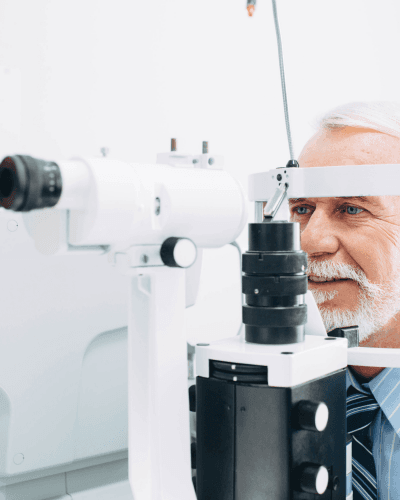
An eye exam is important even if you have no obvious problem with your eyes. Seeing well does not mean your eyes are completely healthy. Some eye diseases can progress without symptoms in the early stages…
Surgical
When choosing a smart lens, it is not only the reduced need for glasses at near, intermediate and far distances that is evaluated. Night vision is also an important visual need to consider…
Sudden vision loss in the eye is a marked decrease or complete loss of vision within a short time, and it is not a disease in itself but can be a sign of different eye or neurological conditions…
A visual field test is an eye test that evaluates sensitivity to light stimuli in different regions of the field of vision while the person looks at a fixed point. Perimetry…
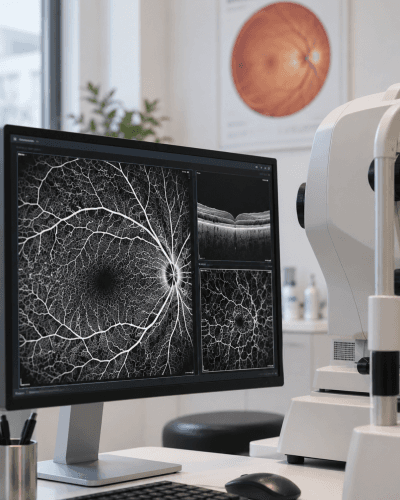
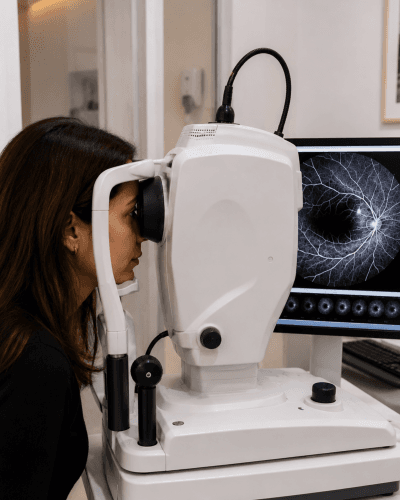
OCT-A (Optical Coherence Tomography Angiography) is a non-invasive eye imaging method used to visualize the vascular network in the retina and choroid and changes related to blood flow…
Vision usually begins to improve early after SMILE Pro. In many patients, vision can improve markedly the next day; however, this does not mean that vision will become fully stable on the same day…
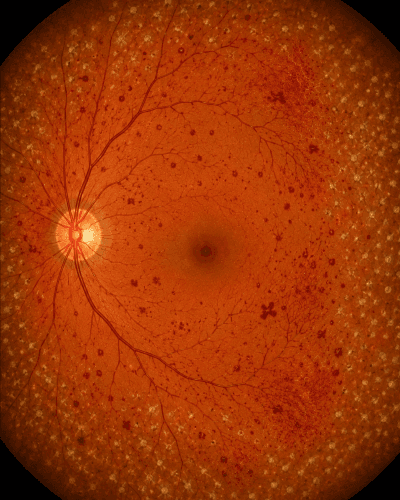
Diabetic retinopathy is a disease that occurs when diabetes affects the retina and the retinal blood vessels at the back of the eye. It can progress without any symptoms at first…
PRP laser is an important retinal treatment used when abnormal new blood vessels begin to form in the retina, particularly because of proliferative diabetic retinopathy. Its medical name is panretinal…
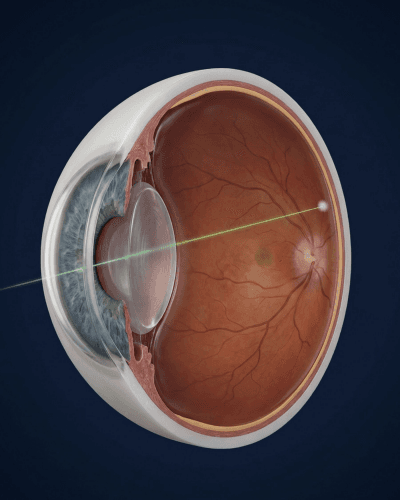
YAG laser is a brief laser procedure used to clear the clouding that can develop at the back of the eye's natural lens capsule after cataract surgery. After the procedure…
Although the term "laser treatment" is used often in eye diseases, not every laser is applied for the same purpose. In particular, Argon laser and YAG laser may look similar by name, but their mechanisms of action…
Many people whose vision becomes blurry again after cataract surgery assume that the cataract has come back. In most cases, however, the problem is not a new cataract. Inside the eye…
Over time, diabetes can affect the retina, one of the most delicate tissues of the eye. Damage to the retinal blood vessels leads to a condition called diabetic retinopathy…
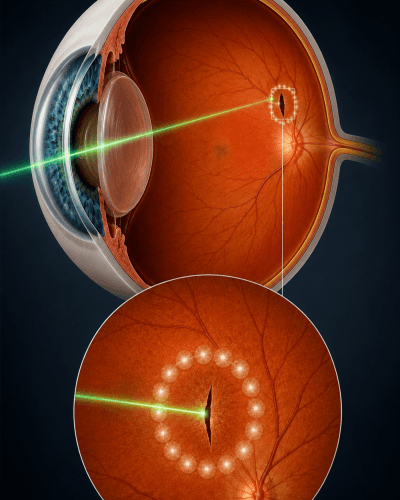
Being diagnosed with a retinal tear can be worrying for many people. Questions such as "Will I need surgery?" or "Will I lose my vision?" are among the first that come to mind…
Argon laser treatment is a laser method that has been used safely in eye diseases for many years and has an important place especially in the treatment of retinal diseases.…
When your doctor says "Let's do an eye angiogram" during an eye examination, it can cause worry for many people at first. "Is it a procedure like a heart angiogram?" or "Will they put a needle in my eye?"…
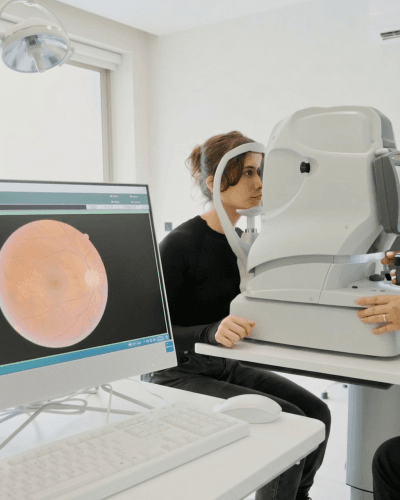
You may have heard your doctor say "Let's also do an OCT" during an eye examination. Commonly used especially in patients with retinal or macular diseases or suspected glaucoma…
After the drops applied during an eye examination, many patients experience blurred vision and sensitivity to light for a few hours, which brings the same question to mind: Why is the pupil being dilated?…
Darkening, shadowing in part of the visual field, or the feeling of a curtain slowly closing is described by many people as a worrying symptom.…
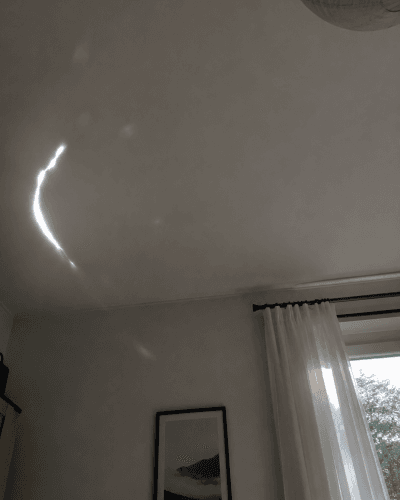
Flashes of light in the eye are one of the visual complaints that many people experience from time to time but find difficult to make sense of. Especially in the dark, during eye movements…
Floaters in the eye are one of the visual complaints that many people notice from time to time but often do not fully understand. Especially when looking at a light-colored…
Blurred vision is a vision problem that is common in daily life but can arise from different causes. Loss of image clarity, difficulty focusing or…
The question of whether looking at screens damages your eyes has become one of the most frequently asked eye health questions as digital device use has moved to the center of life. Today…
The question of why night vision problems occur is raised frequently, especially by people who struggle when driving in the evening or in low-light environments…
The question of how a smart lens is chosen is among the most critical topics for patients planning cataract surgery. Today, cataract surgery is not limited to removing the clouded lens…
The question of which measurements change the outcome in cataract surgery is a topic of growing importance in modern eye surgery. Today, cataract treatment is not limited to removing the clouded…
The question of whether glaucoma causes symptoms comes up more often especially during glaucoma awareness periods in March. One of the most important causes of permanent vision loss worldwide…
The question of whether dry eye prevents laser eye surgery is one of the topics raised most often during refractive surgery evaluation. Patients considering modern excimer laser methods such as SMILE Pro, LASIK and No Touch laser…
Laser treatment for a thin cornea is one of the most frequently asked-about topics in refractive surgery. Although low corneal thickness leads many patients to think "I can't have laser"…
Fractional laser around the eyes is a complementary treatment aimed at supporting a controlled renewal process for concerns such as fine wrinkles, loss of skin elasticity and reduced tissue quality…
Laser eye surgery after age 40 is among the most frequently asked-about topics in recent years. Individuals with refractive errors who aim for a life free of glasses in particular,…
Although cataract surgery is regarded today as a standardized procedure with high success rates, it is not possible to achieve the same visual outcome in every patient.…
Not every mass detected in or around the eye means cancer, as is commonly assumed. However, when it comes to eye tumors, the most important point is that the distinction between benign and malignant is made without losing time and with the right methods.…
Cataract surgery can be performed with technically similar steps; however, not every patient experiences the same visual outcome after surgery. One of the most important reasons for this is how detailed and accurate the eye measurements are before surgery…
For patients who want to get rid of glasses or contact lenses, excimer laser methods today offer different options. However, not every method is suitable for every patient. In some…
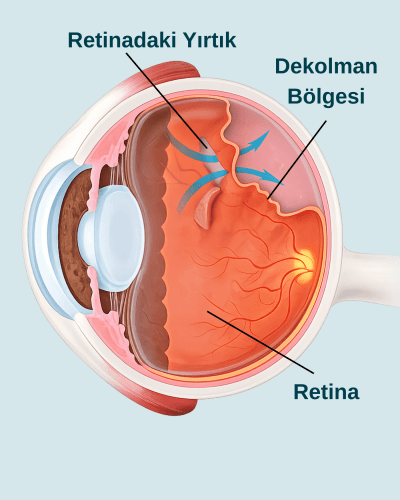
Retinal detachment is the separation of the retina, the layer at the back of the eye that enables vision, from the supporting tissue beneath it. This is not merely a structural problem;…
The reason cataract in one eye is more dangerous has less to do with the cataract itself than with the brain's visual system. In childhood, vision develops not with the eye alone but through eye–brain cooperation…
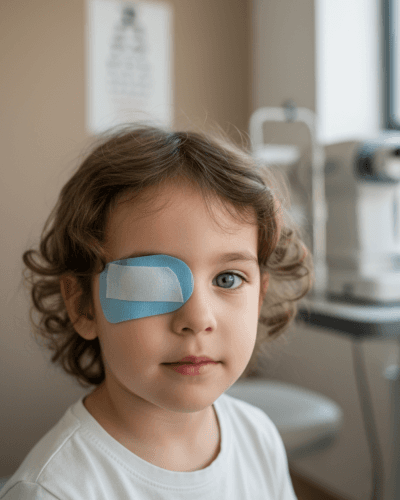
Childhood cataract is a fundamentally different clinical condition from the cataract seen in adults. The problem is not only that the lens of the eye loses its transparency; the most critical…
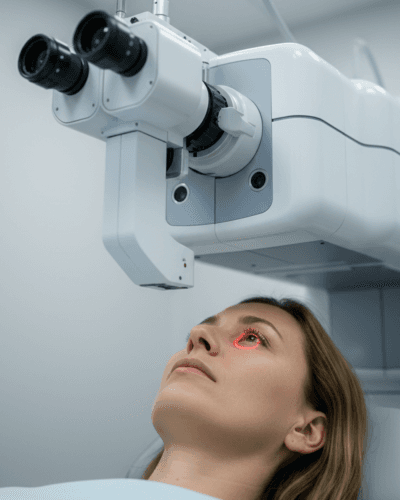
Excimer laser is an advanced technology that reshapes the surface of the cornea to correct refractive errors such as myopia, hyperopia and astigmatism. For years…
When vision problems in childhood are not noticed early, they can affect learning, social development and quality of life. Myopia, hyperopia, astigmatism or more serious vision…
GLP-1 agonists are drugs that have been widely used in recent years for both diabetes and weight loss. Although they are effective in lowering blood sugar, their effects on eye health…
Diabetes can affect not only blood sugar balance but also the retina, one of the most delicate structures of the eye. Small blood vessel damage in the retina can over time…
“Will my prescription progress after LASIK?” “Is every eye suitable for LASIK?” “Is the recovery process really that fast?”
Eye health is a field where even a millimeter makes a big difference. Excimer laser systems, used especially in laser vision correction procedures, are extremely delicate devices that must operate with high…
Eyelids sitting lower than they should is not merely a cosmetic concern, but a condition that affects visual function. Known medically as ptosis…
Most children are not aware of their vision problems. When they cannot see the board or read a book from very close, they may think this is normal. However, at school…
Have an eye check-up at least once a year, even if you have no vision problems. Early diagnosis prevents the progression of many conditions such as glaucoma, cataract and retinal diseases.
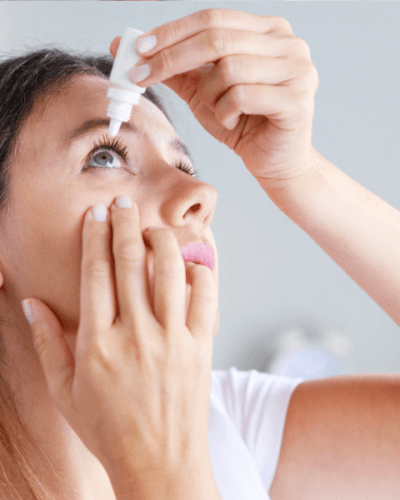
One of the most frequently asked questions lately is this: "Doctor, can we see up close without glasses using eye drops?"
"Is clear vision possible without using glasses or lenses?" is a question we often hear from our patients. Options for treating vision problems are no longer limited to glasses and…
Refractive surgery is a common method for reducing dependence on glasses and lenses. However, some patients may experience visual irregularities, blurriness or night vision problems after surgery…
"Doctor, will my eye pressure be completely cured? Is there a treatment?" is one of the questions we encounter often. Glaucoma, that is, high eye pressure, is a serious disease that damages the optic nerve and, if untreated…
"Doctor, I want to have my eyes lasered, but I keep hearing names like LASIK, PRK and SMILE. Which one is right for me?" This is one of the questions we hear most often from patients considering laser treatment.…
"Doctor, my vision has been blurry for a while. Sometimes it feels like a curtain is covering my eye. Is there a problem with my blood vessels, or has my glasses prescription changed?"
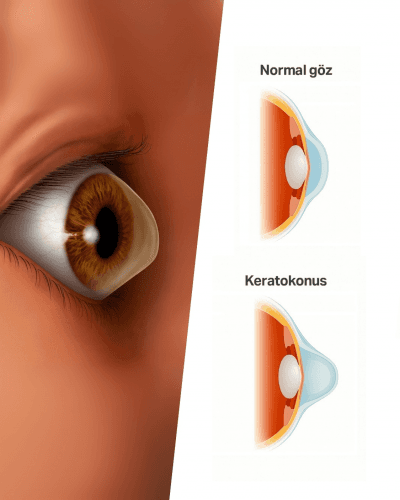
Keratoconus is a progressive eye disease in which the cornea thins and bulges forward into a cone shape. The cornea, which is normally dome-shaped, refracts light correctly…
When it comes to laser eye surgery, one of the most talked-about methods is the excimer laser. Used for many years to correct refractive errors such as myopia, hyperopia and astigmatism…
Keratoconus is an eye disease characterized by thinning and bulging of the cornea, which usually begins at a young age and progresses over time, seriously impairing visual quality…
Can I get rid of my glasses? Does excimer laser hurt? Can everyone have laser surgery? Are the results permanent? How long is the recovery time?
For some people, wearing glasses or contact lenses is a great convenience; for others it creates a feeling of dependence. Today, laser eye surgery is one of the most commonly preferred ways of removing this dependence…
Technology is advancing rapidly in the laser treatment of vision disorders. Smile Laser and No Touch Laser methods offer more comfortable and safer alternatives compared with classic laser treatments…
Glaucoma is a progressive and often insidious disease in which the optic nerve is damaged by increased intraocular pressure (IOP). If left untreated, it can lead to permanent vision loss…
Dry eye is a common condition that results from reduced tear production or rapid evaporation of tears. It manifests with symptoms such as burning, stinging, redness and blurred vision…
Cataract is a condition caused by clouding of the lens of the eye that affects vision over time. It usually develops with age, but different types of cataract…
Cataract surgery is a surgical procedure performed to correct the vision loss caused by clouding of the natural lens in the eye. Cataract negatively affects quality of life…
The retina is the light-sensitive layer at the back of the eye and plays a critical role in vision. Retinal detachment, one of the retinal diseases, is a condition that can cause serious vision loss…
Contact lens use offers a practical solution for eye health today. However, if contact lens hygiene is neglected, you may face serious eye infections…
Laser eye surgery is a procedure that corrects vision defects by reshaping the cornea. Eye defects are corrected by changing how the cornea refracts light…
Glaucoma is a serious and progressive eye disease that can damage the optic nerve as a result of elevated intraocular pressure and lead to vision loss. This disease is known worldwide…
Strabismus is an eye condition frequently encountered in childhood. It shows itself as the eyes not looking in the same direction and a loss of parallel alignment. This condition…
Eye strain is a common problem of modern life, especially among people who are exposed to digital screens for long periods. However, the causes of eye strain…
The eyelids are anatomical structures that protect the eyes and play a critical role in eye health. However, this area is one where skin cancers and other lesions can develop…
Eye health in children is a matter that must not be neglected. Eye examinations performed at an early age play a critical role in the diagnosis and treatment of vision problems. Especially…
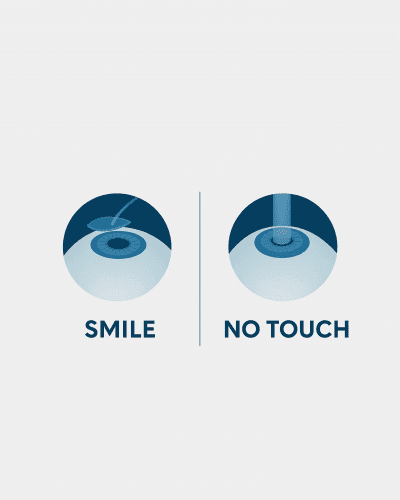
Tired of glasses and contact lenses? Achieving clear vision is now easier than ever! With No Touch Laser, you can permanently correct your refractive errors.
The area around the eyes is where the earliest signs of aging appear. Drooping, bagging and fat accumulation in the eyelids can lead to both cosmetic and functional problems…
Cataract is an eye condition that results from the clouding of the natural lens, leading to vision loss, and is primarily associated with aging. However, it can also develop…
Excimer Laser is a procedure performed on the outer surface of the cornea. This method corrects refractive errors (myopia, hyperopia, and astigmatism) in the eye. During the…
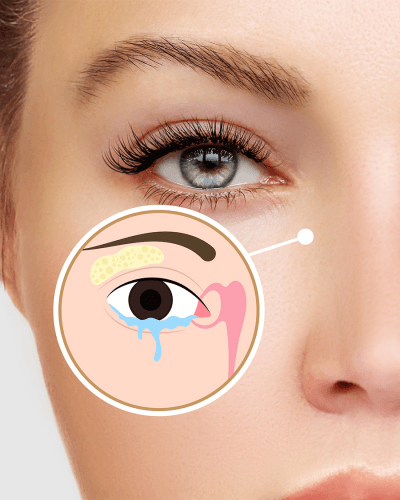
Surgery Dacryocystorhinostomy (DCR) Surgery for Tear Duct Obstruction The tear system is vital for keeping our eyes healthy and comfortable. However, conditions like tear duct…
New Approaches in Eye Health Eye health is a crucial part of our overall well-being and should not be neglected. Conditions like eye strain caused by computer use and meibomian…
As the Metaverse world rapidly grows, VR (Virtual Reality) glasses have started to play a bigger role in our lives. While this technology offers us new and exciting…
Everyone should have a detailed eye examination at regular intervals. However, in the following situations, you should consult an eye doctor without delay: 1. Decreased vision…
Myopia is a refractive error in which a person can see nearby objects clearly but struggles to see distant objects. The term literally means "closed eye" because myopic…
The term "resting glasses" can often be misunderstood or misleading because glasses are generally designed for people with vision impairments, and their use can reduce eye…
For Eye Health How long can you wait before seeing a doctor for eye infections (conjunctivitis)? Eye infection, medically known as conjunctivitis, is a condition that occurs…
Eye health is a crucial factor that significantly affects our quality of life. Our eyes are essential organs that help us explore the world, communicate, and carry out our…
For Eye Health Frequency of Eye Examinations An eye examination involves a detailed assessment carried out by a specialist eye doctor. This examination not only evaluates the…
There are many diseases that affect eye health, but some are more common and serious than others. One of these is macular degeneration, also known as age-related macular…
1. What is a Trifocal Lens? Trifocal lenses are lenses with three different focal points. They are commonly used in cataract surgeries or lens replacement operations. Unlike…
Last updated: 8 November 2026