Short answer
The timing of cataract surgery depends less on how cloudy the lens looks and more on how much your vision limits daily life. If reading, driving or walking has become difficult, surgery is usually discussed. In some cases another eye condition calls for earlier surgery. The final timing is decided after an examination.
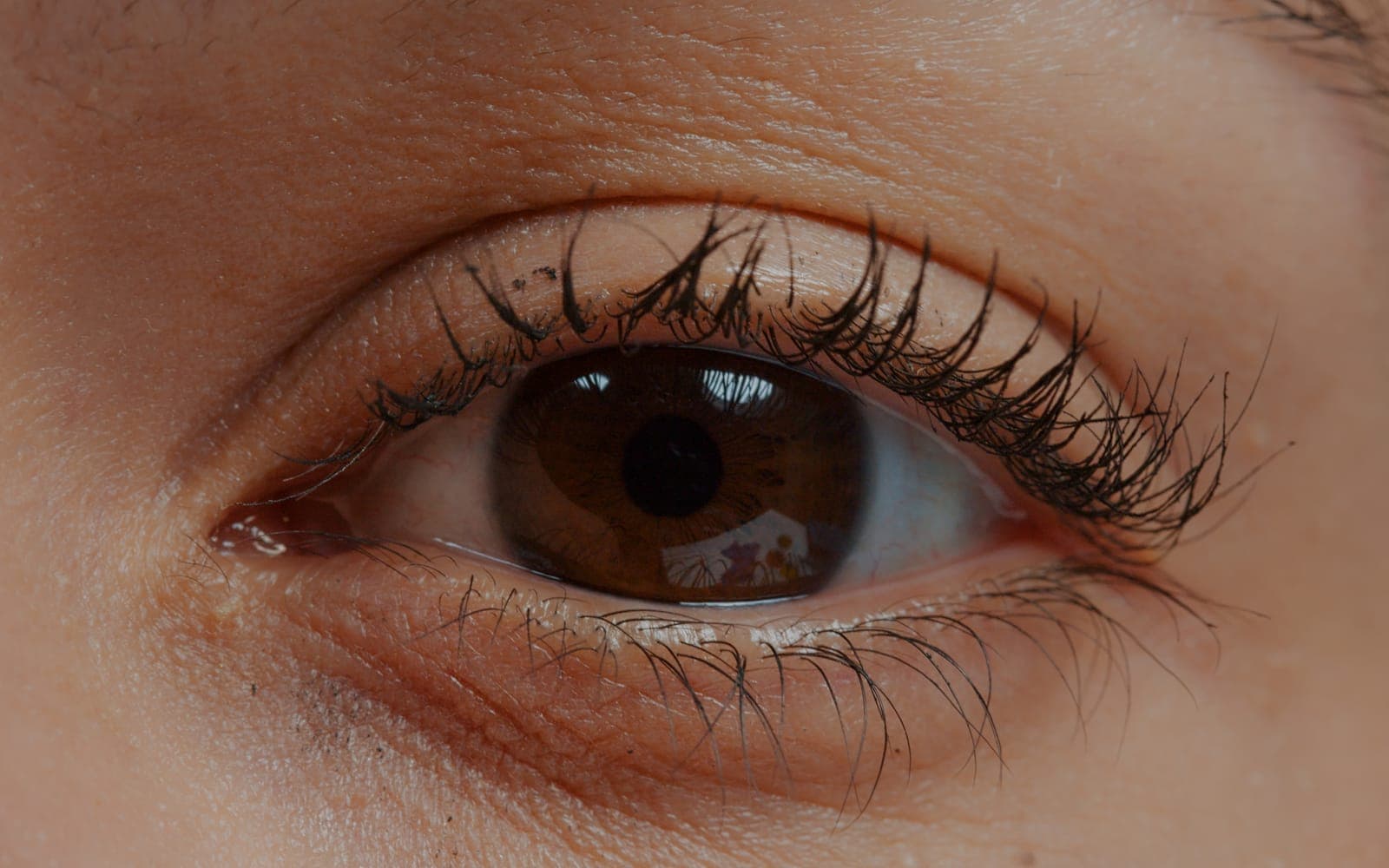
There is no single calendar date that suits everyone for cataract surgery; the decision depends on how much your vision affects daily life. A cataract is the gradual clouding of the natural lens of the eye. It does not clear with drops or medication, and its treatment is surgical, but you do not need an operation the moment clouding begins.
What determines the timing of cataract surgery?
The main point your doctor looks at is the difficulty you experience, more than the number on a vision chart. Two people with the same measurement may feel very differently: one may notice nothing, while the other can no longer drive at night. During the examination, questions like these are discussed together:
- Is reading, watching television or using a phone difficult?
- Do glare from headlights or poor contrast make night driving hard?
- Are there safety concerns such as trouble on stairs, walking or a fear of falling?
- Do your work or hobbies depend on good vision?
If the answers are yes, surgery becomes an option. To learn more about the signs, see what a cataract is and its early symptoms.
Is it harmful to wait?
A cataract usually progresses slowly. If your vision does not bother you much and you have no other eye problem, regular follow-up is a reasonable choice, and waiting does not harm the eye in itself.
Waiting for a very long time can have drawbacks, however:
- A very dense lens can make surgery technically more demanding.
- As vision declines, the risk of falls and accidents may rise.
- A clouded lens can make it harder to examine the back of the eye, such as the retina.
So neither "delay as long as possible" nor "operate immediately" is a general rule. The decision is tailored to your circumstances.
When is earlier surgery considered?
Even when symptoms are mild, surgery may be brought forward in some situations:
- When the cataract raises eye pressure or increases the risk of pressure problems in an eye with a narrow drainage angle.
- When a clear view of the inside of the eye is needed to monitor or treat a retinal or macular disease.
- When a cataract makes retinal examination difficult in people with diabetes.
- When a very high degree of nearsightedness or farsightedness could be improved by replacing the lens.
When another eye disease is present, the picture is more complex. Age-related macular degeneration and cataract often occur together, and there is a concern that surgery might worsen the macular condition. A Cochrane review has examined this question, but the summary available to us does not give the evidence in detail, so the specifics are assessed individually at your examination.
Do you have to wait until the cataract is "ripe"?
No. In the past it was common to wait for a cataract to "ripen." With modern surgical techniques this is not necessary. If your vision interferes with daily tasks, surgery can be planned before the lens is fully clouded. We describe the technique in how cataract surgery is performed.
What is assessed before surgery?
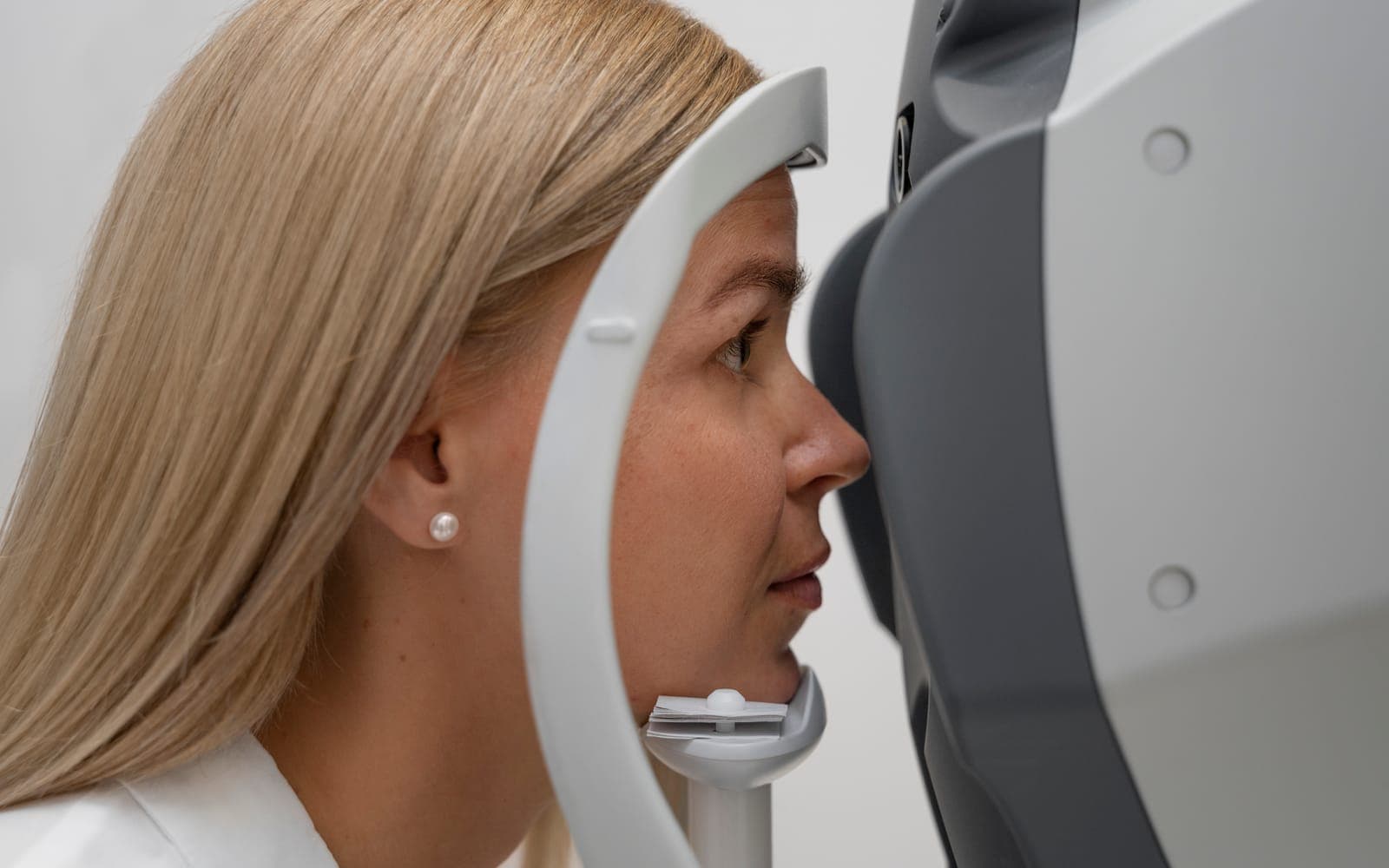
Before a decision is made, your vision, eye pressure, the back of the eye and the measurements of the eye are checked. Your medications and general health are also taken into account. For situations in which surgery may be delayed, see when cataract surgery may be postponed. Lens options are also part of the decision, which you can read about in monofocal or premium intraocular lens.
When should you see a doctor without waiting?
Cataract symptoms usually develop slowly. The following, however, need urgent evaluation:
- Sudden loss or sudden drop of vision in one eye.
- Severe eye pain, especially with redness, nausea or vomiting.
- Flashes of light, new floaters or a curtain-like shadow across your vision.
These may point to a more serious problem than a cataract, and delay should be avoided.
How should you talk it through with your doctor?
Before the visit, noting the moments when you struggle in daily life makes the decision easier. Describing at what time of day, during which tasks and in what lighting your vision gets worse gives your doctor valuable clues. Also mention your medications, any previous eye surgery and conditions such as diabetes or high blood pressure. Discussing the benefits, the possible risks and the option of not having surgery together helps you decide at the right time for you. There is no need to hurry; you can ask for time to think and to ask questions.
Frequently Asked Questions
Is there an age limit for cataract surgery?
No. What matters is how much your vision affects daily life and your general health, not your age. Surgery can be planned at any age.
Will my vision be permanently damaged if I postpone surgery?
A cataract generally progresses slowly, and postponing surgery does not usually cause permanent damage. If another eye disease is present, the length of the wait should be decided with your doctor.
If both eyes have cataracts, are they operated on at the same time?
Usually the eyes are operated on separately. In some circumstances same-day surgery may be considered; see same-day bilateral cataract surgery for details.
Do I need surgery if glasses still work for me?
A new glasses prescription can improve vision for a while. When clouding progresses and glasses can no longer give clear vision, surgery is discussed.