Short answer
In LASIK, a flap is created on the cornea, the underlying tissue is reshaped with laser and the flap is replaced. The most critical stage is the preoperative examination, measuring corneal thickness, surface map, prescription stability and tear quality. Anesthetic drops are used; most patients report clear vision the next day. Mild stinging or watering passes quickly, and the prescription is generally corrected permanently.
“Will my prescription progress after LASIK?”
“Is every eye suitable for LASIK?”
“Is the recovery process really that fast?”
Many people considering laser eye surgery look for clear answers to these questions before making a decision. With advances in technology over the last 20 years in particular, LASIK has become one of the safest and most frequently performed refractive surgeries worldwide. Offering both fast recovery and high visual quality in suitable patients is among the main reasons this method is preferred.
The goal of LASIK surgery is to regulate how light enters the eye so that a clear image falls correctly onto the retina. To achieve this, the corneal tissue is reshaped with micron-level precision. Modern excimer laser devices work with tracking systems that follow eye movements at millisecond speed. As a result, even involuntary eye movements during the procedure do not affect the outcome.
How Is LASIK Surgery Performed?
1. Detailed Preoperative Examination
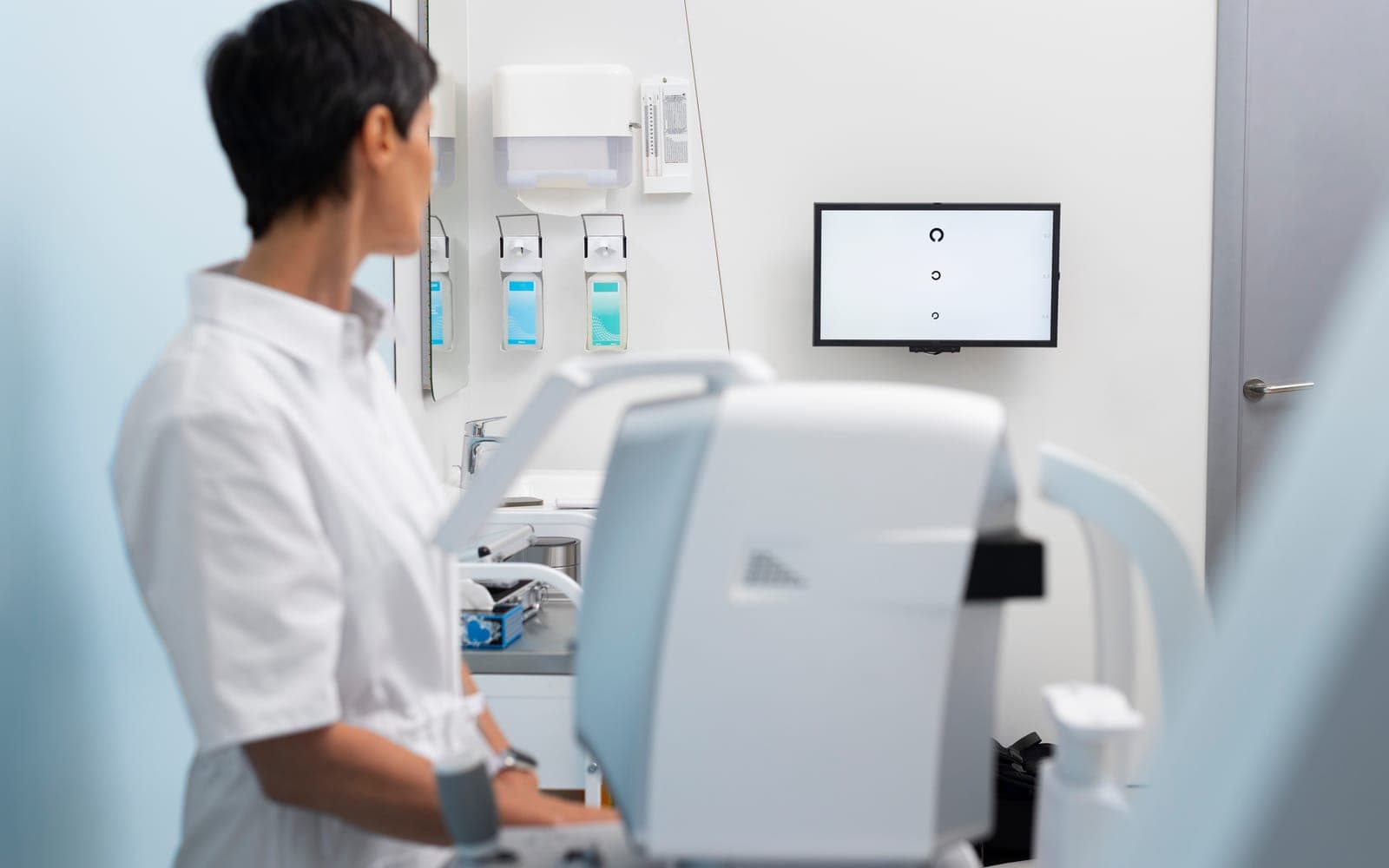
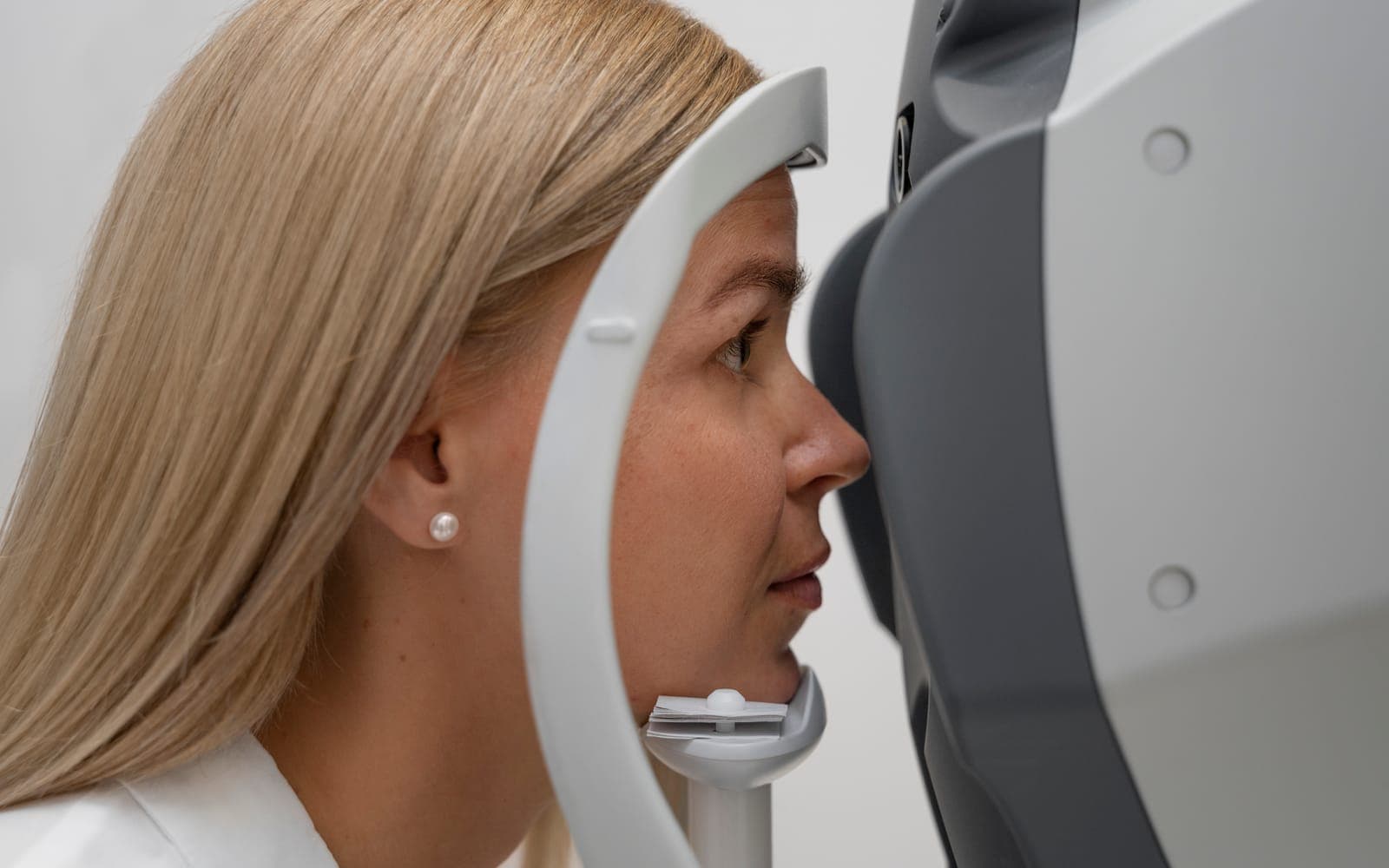
The most critical stage of LASIK is correct patient selection. For this reason, before surgery, corneal thickness, the eye surface map, prescription stability and tear quality are measured in detail. Because every patient's eye structure is different, a personalized treatment plan is created.
2. Preparation Stage
The procedure is remarkably short and comfortable. Thanks to anesthetic drops, the patient feels no pain during the procedure. The eye is prepared in a sterile manner, and the time in the operating room is only a few minutes.
3. Laser Application
During LASIK, a flap is created on the cornea and the tissue beneath it is reshaped with the laser. Depending on the prescription, this reshaping is usually completed within seconds. When the laser treatment is finished, the flap is placed back and adheres on its own; no stitches are needed.
4. Recovery Process
One of the most advantageous aspects of LASIK is its fast recovery. Most patients have clear vision the next day. There may be mild stinging or watering, but it disappears in a short time. Within a few days, vision stabilizes completely.
What People Most Often Wonder About LASIK
Will my prescription progress again?
In most patients, the prescription is permanently corrected and no renewed progression is seen. However, natural age-related changes in the eye's structure, such as the need for near vision after age 40 in particular, may cause additional changes. For this reason, regular check-ups are important.
Is the surgery painful?
No. The entire procedure is performed with anesthetic drops. The patient may feel only a slight pressure, but it is not uncomfortable. Severe pain is not expected after surgery either.
How long does it take for vision to become clear?
Significant clarity is achieved within the first 24 hours. It may take a few days for full visual quality to settle. In some patients, light scatter or mild blurriness may be seen for a short time, but it improves over time.
Is everyone suitable for LASIK?
No. A thin cornea, active dry eye, certain ocular surface diseases or a prescription that is not yet stable can be obstacles to LASIK. In such cases, alternative laser methods such as PRK and SMILE may be considered.
Is LASIK a permanent solution?
Yes. LASIK performed with proper planning in a suitable patient provides permanent and stable results for many years. However, this does not affect natural processes that arise with aging, such as presbyopia.
What should be paid attention to after LASIK?
In the first few days after surgery, not rubbing the eyes, using the prescribed drops regularly and not missing follow-up appointments speed up the recovery process. In addition, it is necessary to stay away from environments such as swimming pools and saunas for a period of time.
Conclusion
When performed with correct patient selection and modern technology, LASIK is a highly safe method with fast recovery and a high success rate. Knowing the facts rather than the myths allows patients to approach the treatment process with more confidence. What matters in eye health is not the expectation of a miracle, but determining the method best suited to each person's eye structure.