Short answer
The visual outcome is influenced most by how detailed and accurate the preoperative measurements are. Axial length, corneal structure and curvature, and intraocular distances are analyzed to select the most suitable artificial lens. Because every eye and every patient's visual expectations differ, planning is individualized.
Cataract surgery can be performed with technically similar steps; however, not every patient experiences the same visual outcome after surgery. One of the most important reasons for this is how detailed and accurate the eye measurements are before surgery.
Today, success in cataract surgery depends not only on removing the clouded lens but on accurately analyzing the entire optical system of the eye.
Why Are Measurements Before Cataract Surgery So Important?
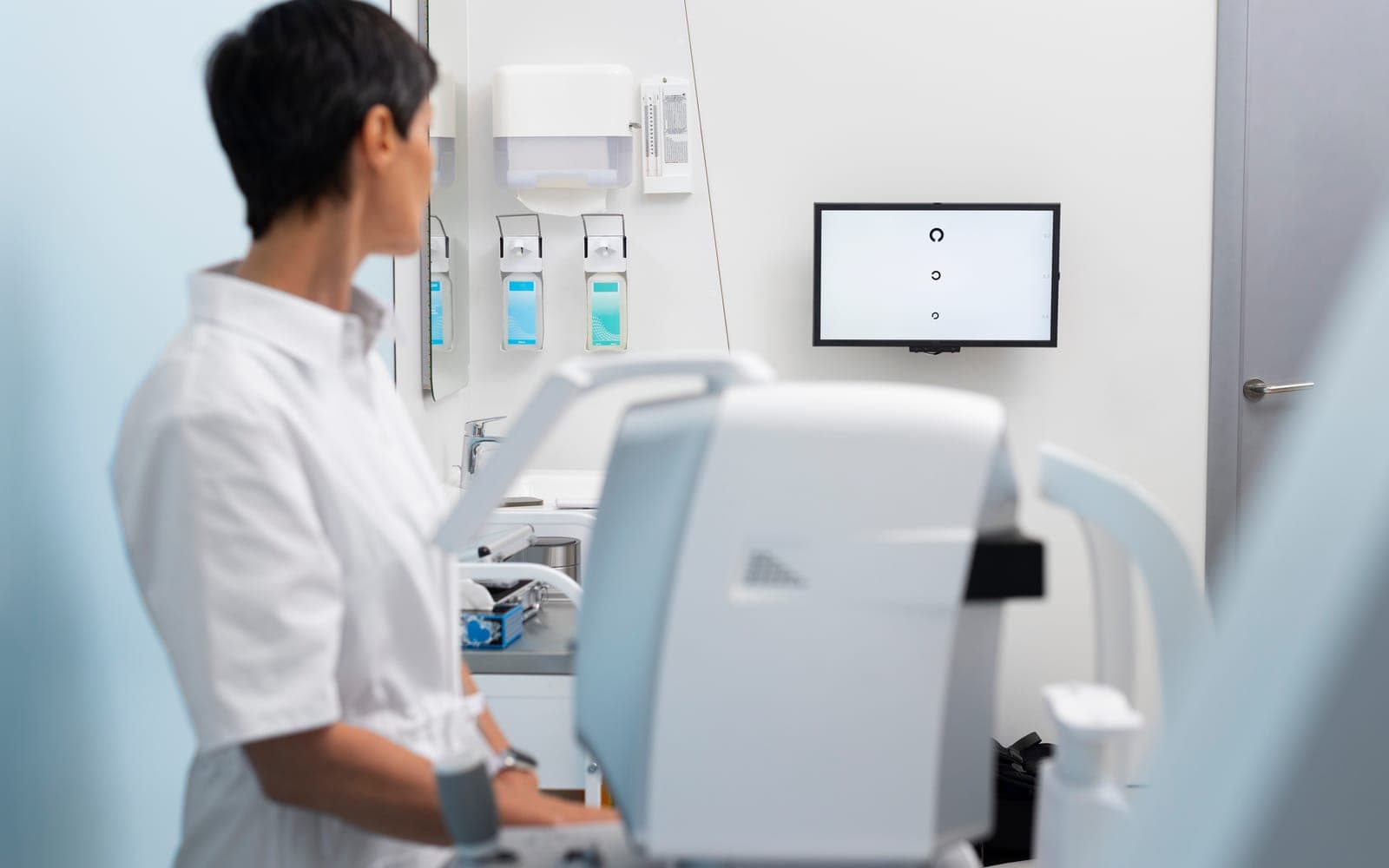
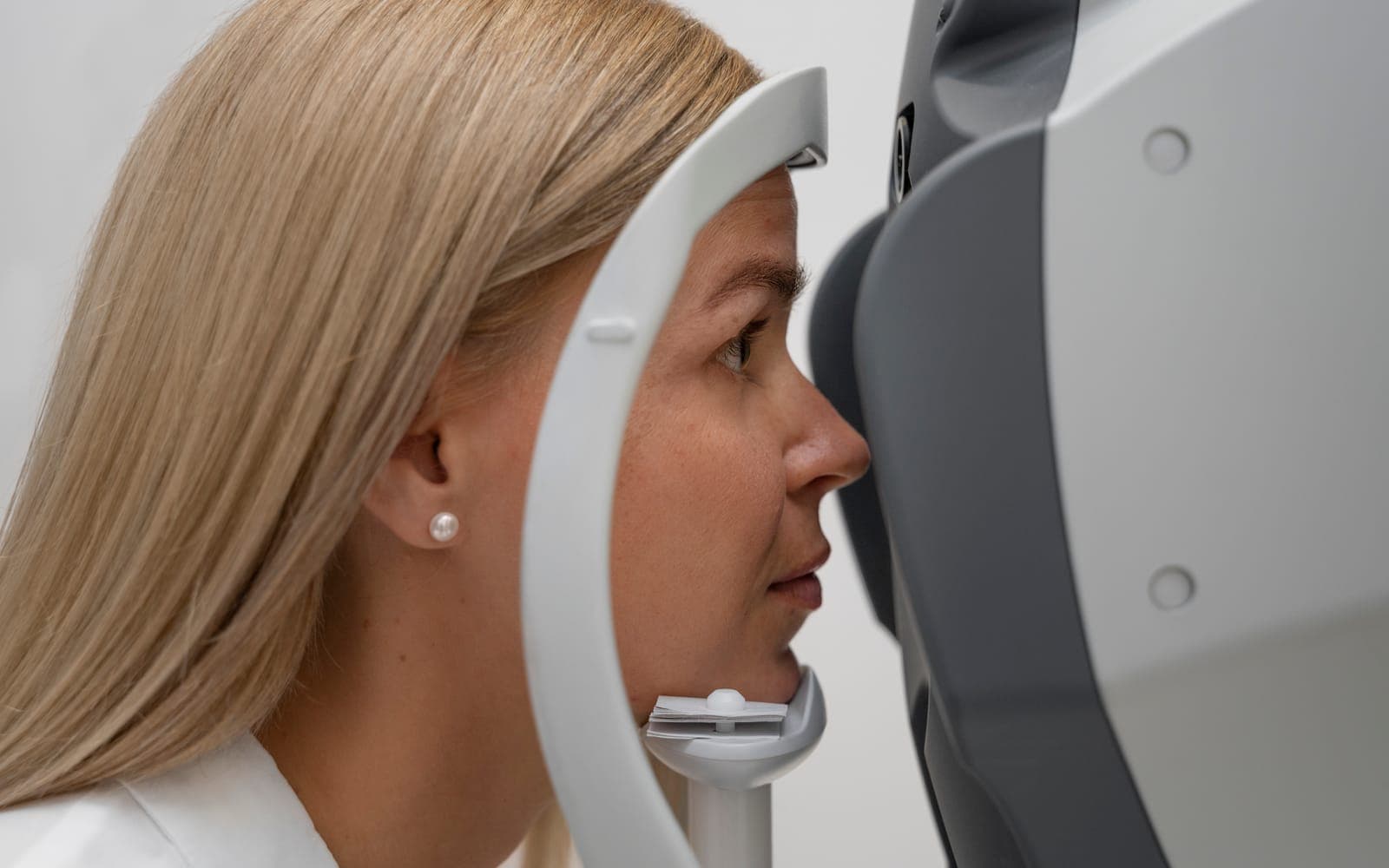
The detailed eye examination and measurements performed before cataract surgery directly affect visual quality after surgery. Thanks to advanced measurement technologies, the structure of the eye is evaluated without contact and with high precision.
In this process, the following parameters in particular are analyzed:
-
Axial length of the eye
-
Corneal structure and curvature
-
Distances within the eye
-
Optical balance and focusing system
This data plays a decisive role in selecting the most suitable artificial lens for the eye.
What Do Advanced Measurement Technologies Provide?
Thanks to accurate and comprehensive measurements taken before surgery:
-
The most suitable lens for the eye is determined more accurately
-
Postoperative refractive surprises are reduced
-
The balance between distance and near vision can be planned more clearly
-
A personalized surgical approach becomes possible
This directly affects satisfaction with vision after surgery.
Not Every Eye Is the Same
Every patient's:
-
Eye structure
-
Corneal characteristics
-
Existing refractive errors
-
Expectations of vision in daily life
are different from one another. For this reason, applying the same approach to everyone in cataract surgery is not in line with current medical understanding.
For a successful result, planning must be done that suits the eye's existing structure and visual needs.
Where Does the Real Difference in Cataract Surgery Emerge?
In cataract surgery, the difference most often emerges not during the operation but in the correct planning done before surgery.
The aim is not merely to remove the clouded natural lens;
-
It is to determine the lens best suited to the eye
-
To evaluate the visual system as a whole
-
To create a vision plan that will improve quality of life after surgery
This approach forms the foundation of modern cataract surgery.
Frequently Asked Questions
Are the measurements before cataract surgery performed the same way in everyone?
Although the basic evaluation steps are similar, the scope of the measurements may vary depending on the patient's eye structure.
Does choosing the wrong lens affect the visual outcome?
Yes. Lens selection based on insufficient or inaccurate measurements can lead to a residual prescription after surgery and reduced satisfaction with vision.
Why are advanced measurement devices preferred?
These devices analyze the structures inside the eye without contact and with high precision, providing more reliable surgical planning.
Will the need for glasses disappear completely after cataract surgery?
This depends on the type of lens chosen and the planning done before surgery. The result may differ for each patient.
In cataract surgery, the goal is not only to eliminate the existing clouding. With accurate measurements and personalized planning, the patient's visual system is addressed as a whole.
The detailed evaluation performed before surgery is one of the most important stages determining visual quality after surgery.
You may also like to take a look at our blogs below on types of cataract and the use of smart lenses in cataract:
https://profdrcemyildirim.com/saglik-rehberi/katarakt-turlerinin-oldugunu-biliyor-musunuz
https://profdrcemyildirim.com/saglik-rehberi/katarakt-ameliyatlarinda-akilli-mercek-kullanimi
Scientific references
- Kane JX, Chang DF. Intraocular Lens Power Formulas, Biometry, and Intraoperative Aberrometry: A Review. Ophthalmology. 2021. PMID: 32798526
- Savini G, Taroni L, Hoffer KJ. Recent developments in intraocular lens power calculation methods-update 2020. Ann Transl Med. 2020. PMID: 33313298
- Gupta V, Pal H, Sawhney S, et al.. Optimization of biometry for best refractive outcome in cataract surgery. Indian J Ophthalmol. 2024. PMID: 38131567