Short answer
Preoperative measurements directly affect the visual outcome of cataract surgery. Axial length, corneal structure and curvature, intraocular distances and lens power are assessed together. Measurements made with non-contact, current and comprehensive devices allow individualized planning and make the outcome more predictable.
Although cataract surgery is regarded today as a standardized procedure with high success rates, it is not possible to achieve the same visual outcome in every patient. The main reason for this is that each eye has a different anatomical structure and different visual needs. For this reason, success in cataract surgery is directly related not only to the surgical stage but also to accurate, reliable and comprehensive measurements taken before surgery.
The fundamental approach of modern cataract surgery is to move away from one-size-fits-all practices toward personalized planning. At the center of this planning are detailed eye measurements performed with advanced technology.
What Are Preoperative Eye Measurements For?
The main purpose of the measurements taken before cataract surgery is not only to assess the clouded natural lens. The real goal is to analyze the entire optical system of the eye as a whole and maximize visual quality after surgery.
In this process, the following are considered together:
-
Axial length of the eye
-
Corneal structure and curvature
-
Balance between the anterior and posterior segments
-
Intraocular distances
-
Lens power calculations
Each of these parameters directly affects the visual result to be achieved after surgery.
The Importance of Non-Contact, High-Precision Measurement Methods
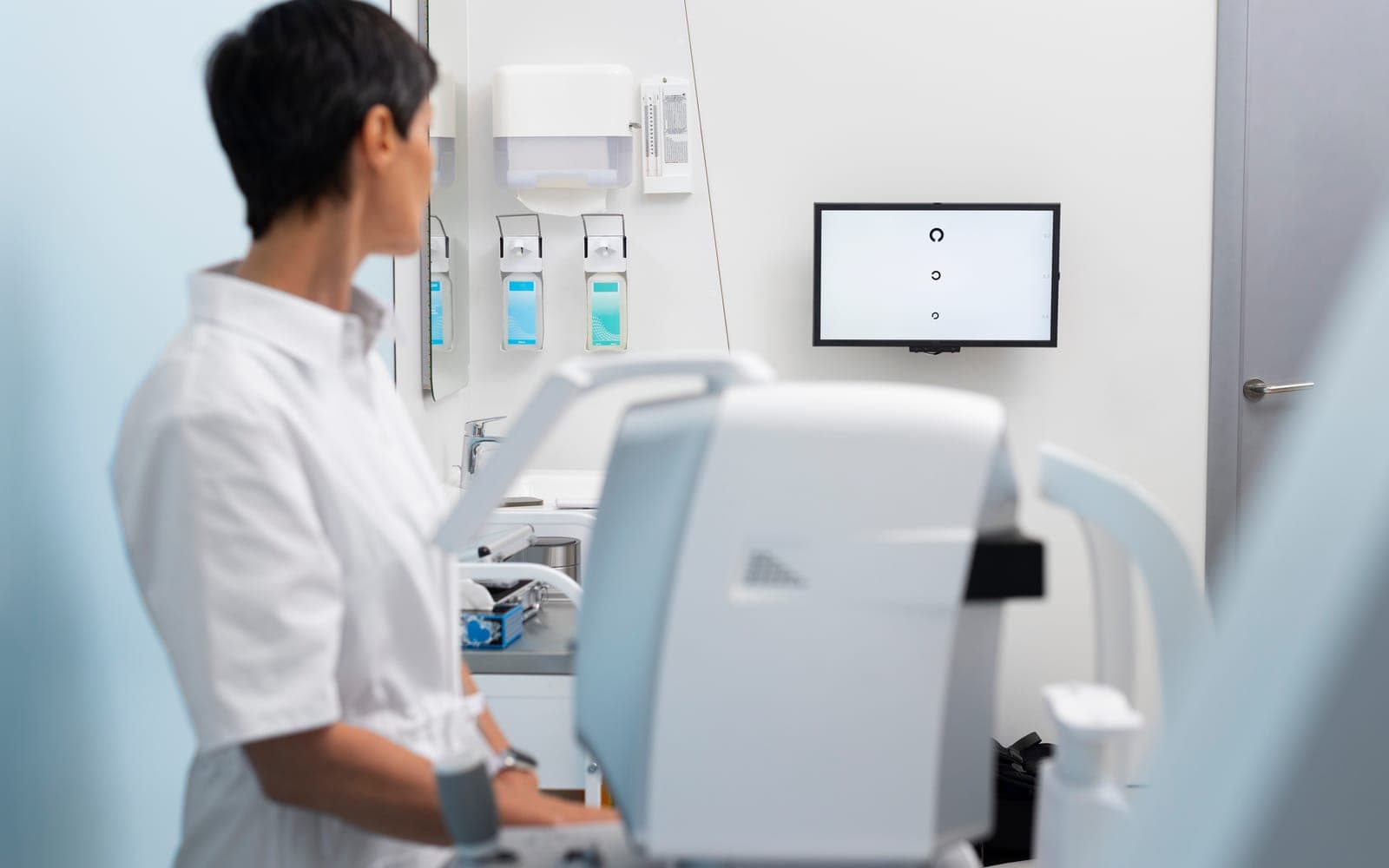
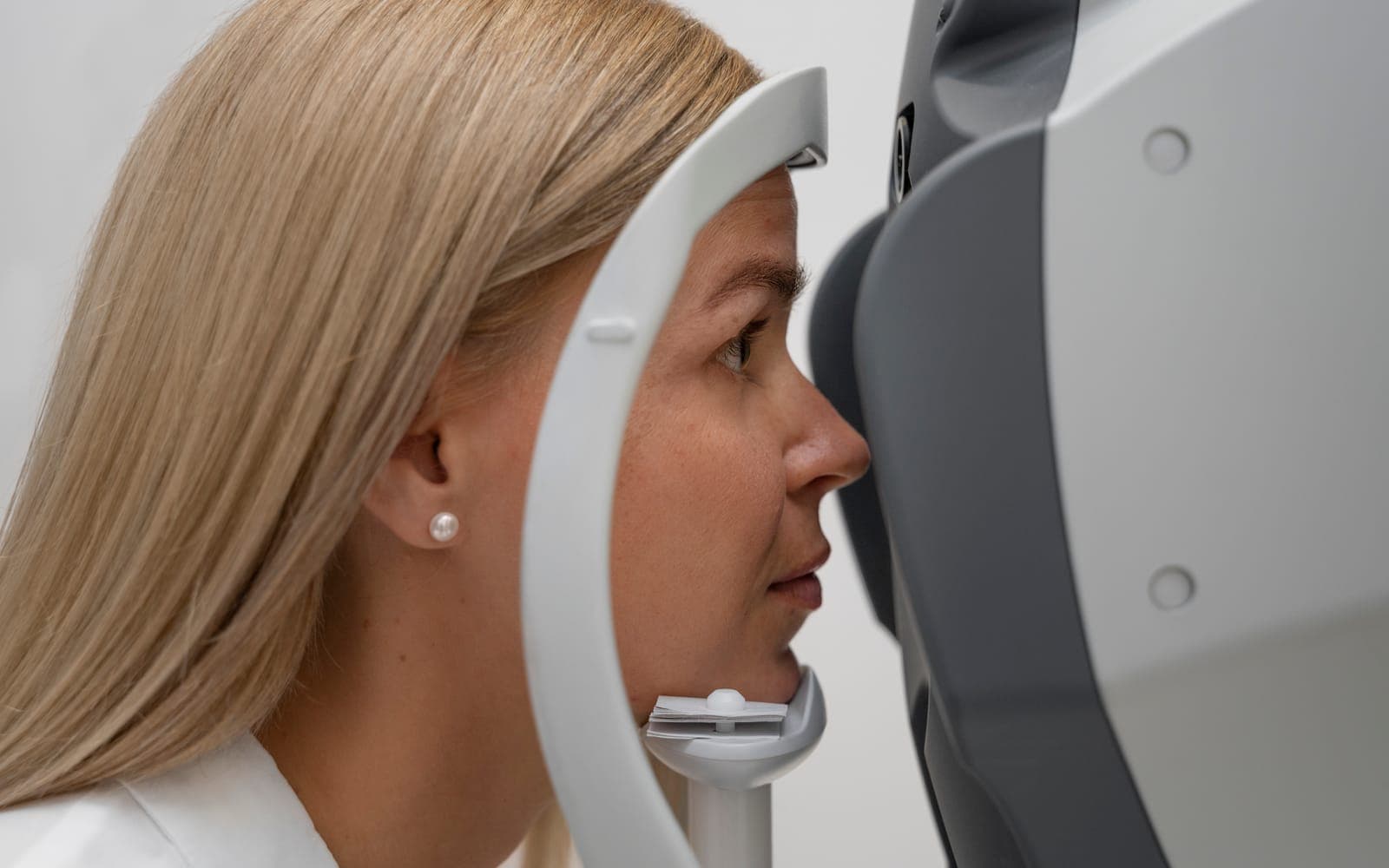
Today, the measurement methods used before cataract surgery are based on non-contact, high-precision technologies. Thanks to these systems, the structure of the eye is analyzed in detail while the patient's comfort is also preserved.
The advantages provided by non-contact measurement methods:
-
No contact with the eye surface during measurement
-
Repeatable and reliable results
-
Minimized measurement errors
-
More predictable surgical planning
This approach is particularly important in patients with sensitive eye structures.
Why Are Up-to-Date and Comprehensive Measurement Devices Necessary?
Having up-to-date and comprehensive measurement devices in cataract surgery is one of the important determinants of surgical success. Limited measurements that focus on a single parameter may fall short of meeting today's surgical expectations.
Thanks to advanced measurement technologies:
-
The cornea and intraocular structures are evaluated simultaneously
-
Lens power calculations are made more precisely
-
Postoperative refractive surprises are reduced
-
The balance between distance and near vision can be planned more clearly
In this way, the surgical process becomes more controlled and personalized.
Every Eye's Structure and Visual Needs Are Different
In cataract surgery, every patient's expectations and visual needs are different. Some patients want distance vision to be the priority, while others may aim for better vision at near and intermediate distances. These differences must be taken into account in the measurements taken and the planning process before surgery.
Instead of a one-size-fits-all surgical approach, personalized evaluation supported by scientific data forms the foundation of satisfaction after surgery.
Measurement, Planning and Surgery Are an Inseparable Whole
In cataract surgery, accurate measurement, accurate planning and the correct surgical approach cannot be considered independently of one another. These three steps are among the most important factors determining visual quality after surgery.
Planning supported by accurate measurements:
-
Reduces surprises that may be encountered during surgery
-
Allows visual expectations to be managed realistically
-
Contributes to achieving more stable visual results in the long term
The aim is not merely to remove the clouded natural lens; it is to plan the visual system best suited to the eye's existing anatomical structure and visual needs.
Why Is Planning So Important in Modern Cataract Surgery?
Today, cataract surgery is approached not simply as an operation but as a detailed planning process. The comprehensive measurements taken before surgery are the most critical stage determining the success of the surgery.
Accurate measurement, accurate planning and a surgical approach supported by scientific data directly affect visual quality after surgery and increase patient satisfaction.
You can also take a look at our related blog post below:
https://profdrcemyildirim.com/saglik-rehberi/katarakt-ameliyatinda-gorme-sonucunu-ne-belirler
Scientific references
- Kane JX, Chang DF. Intraocular Lens Power Formulas, Biometry, and Intraoperative Aberrometry: A Review. Ophthalmology. 2021. PMID: 32798526
- Gupta V, Pal H, Sawhney S, et al.. Optimization of biometry for best refractive outcome in cataract surgery. Indian J Ophthalmol. 2024. PMID: 38131567
- Savini G, Taroni L, Hoffer KJ. Recent developments in intraocular lens power calculation methods-update 2020. Ann Transl Med. 2020. PMID: 33313298