Short answer
IPL, often called laser treatment in everyday language, is intense pulsed light rather than a laser; pulses of light are applied to the eyelids to improve the function of the Meibomian glands. A session takes about 10-15 minutes and several sessions are usually needed. It is considered especially for people who do not respond to artificial tears and other treatments; suitability is decided after an eye examination.
Dry eye is a common condition that results from reduced tear production or rapid evaporation of tears. It manifests with symptoms such as burning, stinging, redness and blurred vision in the eye, and can significantly affect quality of daily life. In addition to traditional treatment methods such as artificial tear drops and medications, IPL (intense pulsed light) treatment stands out as a method with the potential to offer a lasting solution for dry eye. In this article, we will examine IPL treatment for dry eye and who this treatment method is suitable for.
What Is Dry Eye?
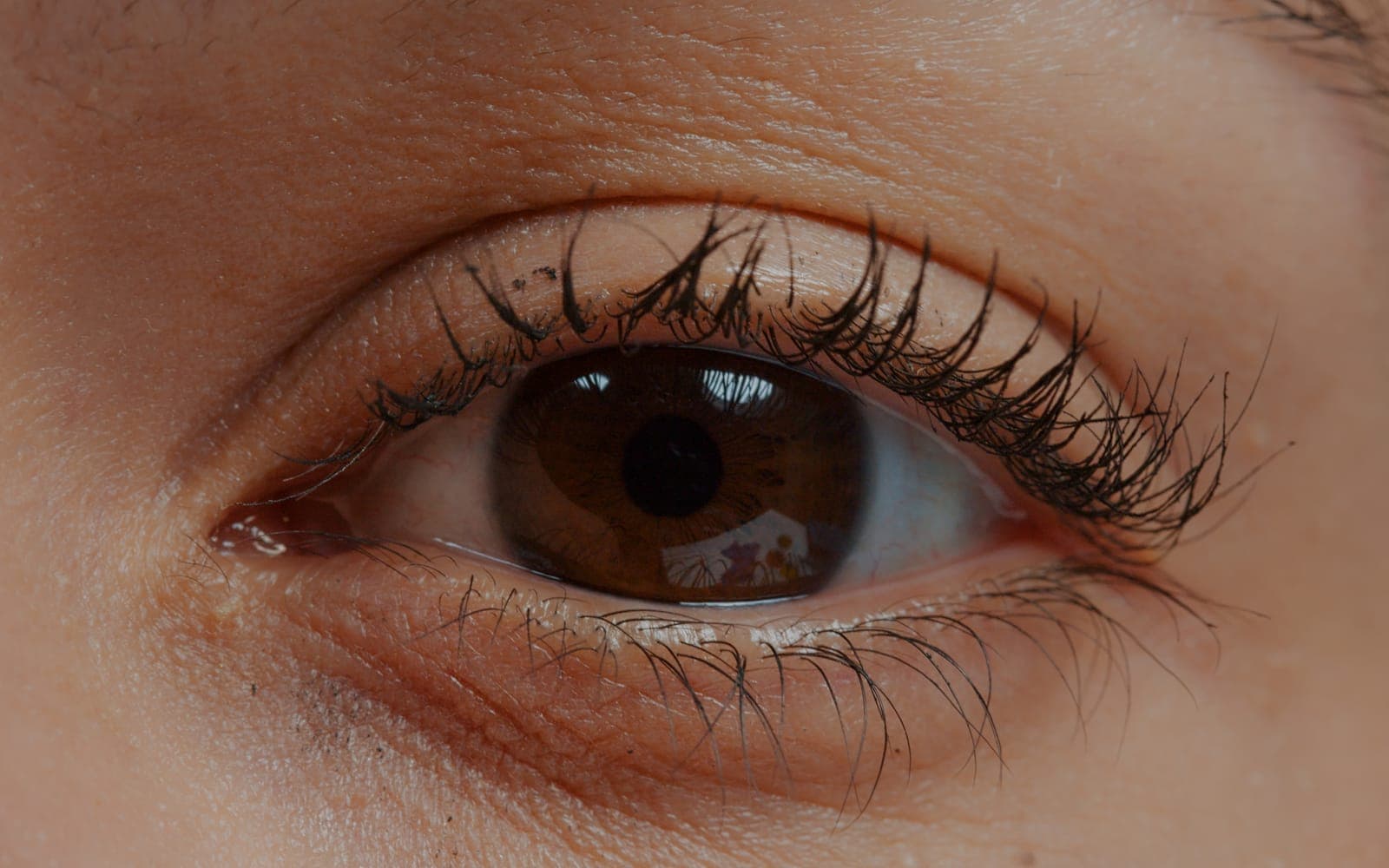
Dry eye is a problem on the surface of the eye that occurs because the tear film is inadequate. Tears provide the moisture needed to keep the eye healthy. In some cases, however, tear production may decrease or tear quality may deteriorate, leading to dry eye. Environmental factors (air conditioning, computer screen use), aging, certain medications and dysfunction of the tear glands can cause this condition.
What Is IPL Treatment for Dry Eye?
IPL (Intense Pulsed Light) therapy is often called IPL treatment in everyday language, but it is not a laser; it uses broad-spectrum light. It targets in particular improving the function of the Meibomian glands. These glands produce an oil layer that keeps tears on the surface of the eye for longer and thus prevents dry eye. Light pulses applied to the eyelids aim to support these glands and the oil layer of the tear film.
Advantages of IPL Treatment: Why Should It Be Preferred?
IPL treatment for dry eye has several important advantages compared with traditional treatment methods:
- Long-lasting relief: While artificial tears provide only temporary relief, IPL treatment can give more lasting results in the long term.
- Short treatment time: Each treatment session takes about 10-15 minutes, and significant improvement is usually seen after a few sessions.
- Minimally invasive: IPL treatment can be performed without a surgical intervention, which shortens the recovery time considerably.
Who Can Benefit from IPL Treatment for Dry Eye?
IPL treatment is suitable especially for people with moderate to severe dry eye who do not respond to artificial tears and other treatments. In addition, the following may be good candidates for IPL treatment:
- Those with Meibomian gland dysfunction,
- Those exposed to computer screens for long periods,
- Those who experience dry eye due to environmental factors,
- Those who suffer from dry eye related to hormonal changes.
However, before starting treatment you need to see an eye doctor for a detailed examination. Not every case of dry eye may be suitable for IPL treatment, and a personal evaluation is important.
Are There Side Effects of IPL Treatment for Dry Eye?
IPL treatment is generally considered a safe procedure, but as with any medical treatment, some mild side effects may occur. After treatment you may experience temporary redness, mild swelling or a slight stinging sensation. These side effects usually resolve on their own within a few days. Your eye doctor will inform you about what to pay attention to before and after treatment.
How Effective Is IPL Treatment for Dry Eye?
Although dry eye is a problem that negatively affects quality of life, many patients can experience relief thanks to IPL treatment. It offers an effective and long-lasting solution, especially for patients who do not respond to traditional treatments. If you have dry eye complaints and have not benefited enough from other treatments, IPL treatment may be the right option for you.
Scientific references
- Leng X, Shi M, Liu X, et al.. Intense pulsed light for meibomian gland dysfunction: a systematic review and meta-analysis. Graefes Arch Clin Exp Ophthalmol. 2021. PMID: 32725403
- Sabeti S, Kheirkhah A, Yin J, et al.. Management of meibomian gland dysfunction: a review. Surv Ophthalmol. 2020. PMID: 31494111
- Jones L, Craig JP, Markoulli M, et al.. TFOS DEWS III: Management and Therapy. Am J Ophthalmol. 2025. PMID: 40467022