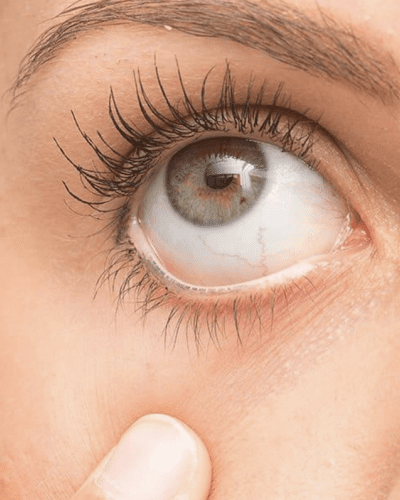
There are many diseases that affect eye health, but some are more common and serious than others. One of these is macular degeneration, also known as age-related macular degeneration (AMD), which can lead to vision loss in older adults. Let's take a closer look at what you need to know about macular degeneration.
1. What is Macular Degeneration?
Macular degeneration is a degenerative condition that occurs in the macula, a region at the back of the eye. This disease affects central vision and is often associated with the aging process.
2. What Are the Symptoms?
Symptoms of macular degeneration may include:
• Distortion or dark spots in central vision
• Difficulty seeing in low light or at night
• Colors appearing faded or less vibrant
• Poor reading experience
3. Which Age Group is Affected?
Macular degeneration typically occurs in individuals over the age of 60, but it can also develop in younger people. Factors such as aging, smoking, family history, and poor nutrition can increase the risk of the disease.
4. Treatment Options
Currently, there is no cure for macular degeneration. However, some treatment options can help relieve symptoms or slow the progression of the disease. These include eye drops, vitamin supplements, laser treatments, and eye injections.
5. Prevention Methods
To prevent macular degeneration or reduce its risk, you can follow these steps:
• Quit smoking
• Adopt a balanced diet, particularly rich in vitamins A, C, E, and zinc
• Wear sunglasses and protect your eyes from UV rays
• Have regular eye check-ups
Conclusion
Macular degeneration is a common eye disease among older adults and can lead to serious vision loss. However, with early diagnosis and appropriate treatment options, it is possible to alleviate symptoms or slow the progression of the disease. Don't forget to have regular eye check-ups and adopt healthy lifestyle habits to reduce risk factors and protect your eye health.
For an appointment for healthy vision or if you have any questions, feel free to contact us. We are here to provide you with the most suitable treatment options. For appointments, use the "Online Appointment" button, and for WhatsApp communication, use the "WhatsApp" button.
Contact Information
Internal No: +90 258 330 03 03
Mobile No: +90 531 923 33 90 / +90 532 499 03 90
Prepared by: Prof. Dr. Cem Yıldırım