Short answer
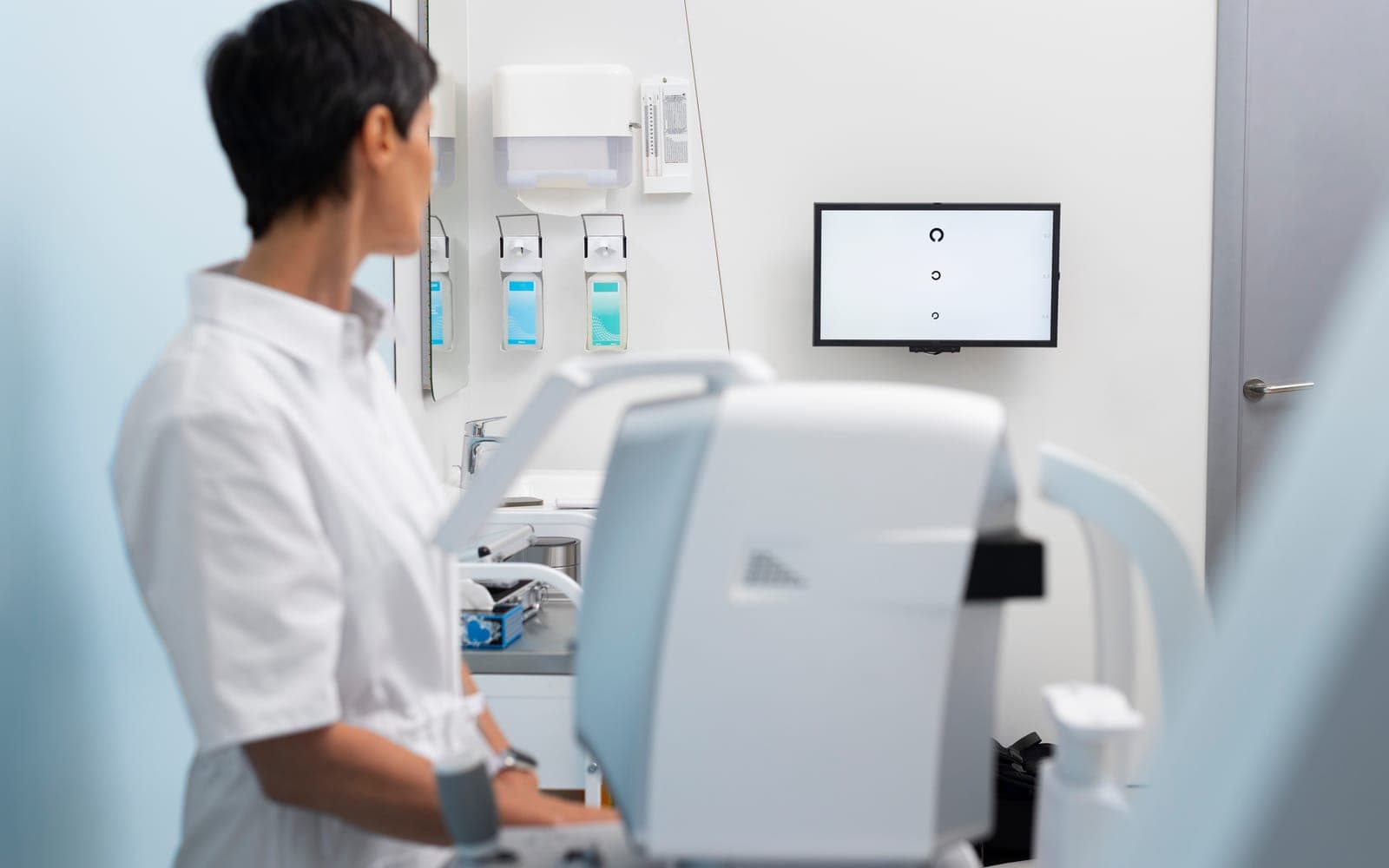
Regular maintenance and calibration are needed to keep the excimer laser's energy at the correct level. According to the text, laser power, beam homogeneity, temperature balance and optical alignment are checked before each procedure. If maintenance is neglected, energy imbalance and focus errors may occur, affecting treatment accuracy and patient safety.
Eye health is a field where even a millimeter makes a big difference. Excimer laser systems, used especially in laser vision correction procedures, are extremely delicate devices that must operate with high accuracy. The ability of these technologies to deliver reliable results depends not only on the hardware, but also on regular maintenance, calibration and inspection processes.
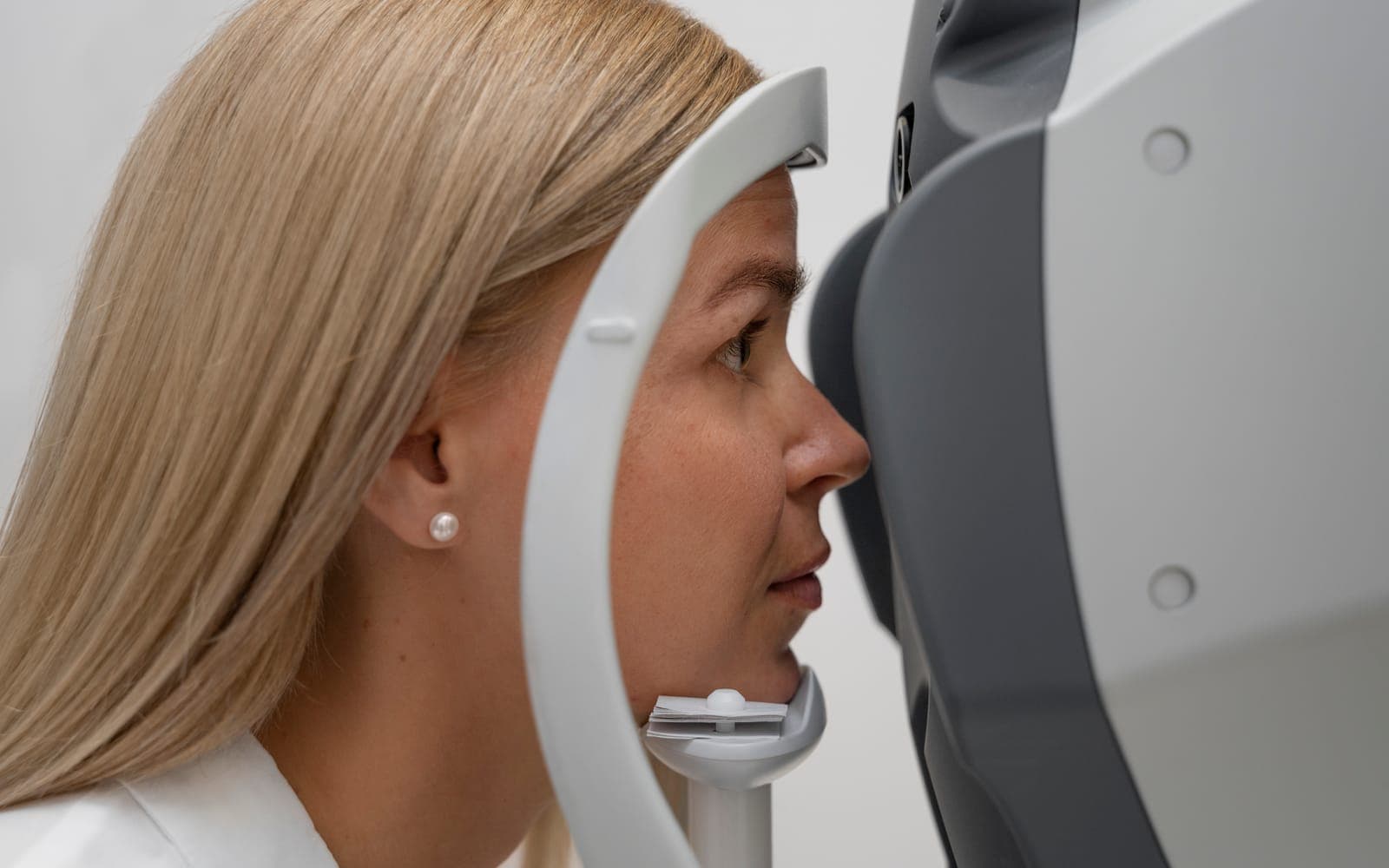
Excimer laser reshapes the surface of the cornea by delivering controlled pulses of light at the micron level. However, even the slightest deviation in the energy produced by the laser can affect the treatment result. For this reason, before every procedure, the device's laser power, beam homogeneity, temperature balance and optical alignment are meticulously checked. Regular maintenance is the guarantee of keeping the device's performance constant and achieving the same accuracy in every patient.
This process ensures that laser energy remains stable, prevents distortions in the light distribution, extends the life of the device and reduces the risk of malfunction. Otherwise, treatment time may be prolonged, visual clarity may decrease and the risk of complications may increase. Therefore, calibration and maintenance are not merely a technical necessity, but a medical responsibility that directly affects patient safety.
Frequently Asked Questions
What is excimer laser?
Excimer laser is a laser system with cold-light technology used to correct refractive errors such as myopia, hyperopia and astigmatism.
Why is calibration so important?
Calibration checks whether the laser energy produced by the device is at the correct level. Incorrect calibration can cause incorrect energy to be applied to the eye surface.
How often should maintenance be performed?
In addition to brief daily checks, monthly and annual technical maintenance should be carried out according to the manufacturer's instructions. This allows the device to be used safely for a long time.
What happens if regular maintenance is not performed?
Technical problems such as energy imbalance, focus error or temperature differences may arise. This negatively affects both the accuracy of the treatment and patient satisfaction.
How do these procedures affect the patient?
With devices that are maintained regularly, the operation time is shorter, results are clearer and the recovery process is faster.
Regular maintenance, calibration and inspection of excimer laser units are the cornerstone of safety in eye treatments. These processes determine not only the device's performance but also directly patient health and treatment success. Because high technology offers real confidence only with the right settings.